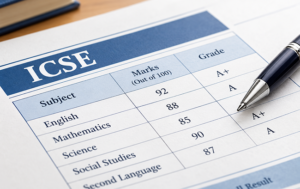

Why do so many students today talk about reflecting on their own work rather than only relying on teachers? The reason is that self-assessment allows learners to judge their progress, strengths, and weak spots in a clear way.
When you ask yourself, “What is self-assessment,” the idea is simple. It is the process of checking your own work, rating your effort, and recognising where you stand. This method is now seen in schools, universities, and even professional training.
What Do You Mean By Self Assessment?
Self Assessment means looking at your own learning journey, being honest about mistakes, and celebrating small wins. Unlike tests where a teacher scores you, here you are the first evaluator. You learn to ask questions like:
- Did I meet the goal?
- Which part of my work is strong?
- Where do I need to put more time?
Such reflection builds confidence, and it helps you think like a problem solver. Self-assessment is also about taking ownership of your growth. It encourages you to pause, step back, and recognize patterns in how you learn.
By noticing what strategies work best for you, like practicing with examples, asking questions, or revisiting tough topics, you develop a sense of responsibility for your progress. This habit not only improves your skills but also makes you more independent and motivated in your learning journey.
Why Students Must Care About It?
The benefits of self assessment go far beyond marks. Students who practise it often show better focus, stronger memory, and clarity in goals. They can organise tasks faster and reduce repeated errors.
Think of it this way: when you know what went wrong today, you can avoid repeating it tomorrow. That habit saves both time and energy. Many IGCSE syllabus schools in Madurai include activities that train students in this habit, because it prepares them not just for exams but also for life.
Ways to Practise Daily
Students can use different methods. Some are traditional, while others are modern. Here are a few:
- Checklists – Simple tick-box lists where you check if each task is done.
- Learning diaries – Writing a short note daily about what was learned.
- Peer review – Swapping assignments with friends and comparing.
- Rubrics – Scoring sheets that guide you in grading your own work.
- Digital apps – Tools that guide reflection step by step.
Each method improves self-awareness. Among them, learning self assessment through diaries is often the most powerful, as it trains students to think in depth about their progress.
Technology in Modern Practice
These tools bring learning alive. Instead of waiting for marks from teachers, students can see results instantly. Quick correction, playful challenges, and instant scoring keep motivation high and mistakes less scary.
The best way to understand is to see an example of student self assessment. Imagine a student who completes a science project. Instead of waiting for the teacher, he checks:
- Did the experiment follow the correct steps?
- Was the report written clearly?
- Did I miss any data?
He then gives himself a score out of ten for each part and sets a target for the next project. This is how reflection turns into growth.
Another example of student self assessment is in reading tasks. A student can ask: Did I understand the main idea? Could I explain it to a friend? If not, he repeats the reading.
Comparing Different Techniques
Students do not all learn in the same way. Some prefer writing notes, others like ticking lists, and a few need digital help. Each method offers unique support for personal growth.
Below is a table that shows different styles and their common uses:
| Technique | Purpose | Student Benefit |
| Checklist | Track daily or weekly tasks | Builds a habit of consistency |
| Learning Diary | Reflect on lessons each day | Improves memory and thinking |
| Rubric-Based Rating | Score your own work using a fixed guide | Gives structured reflection |
| Peer Review | Swap and compare with classmates | Encourages teamwork and clarity |
| Digital Quiz Platforms | Self-check with instant results | Keeps engagement and interest |
These choices are not fixed. A student can shift from one method to another. The right mix often depends on subject, mood, and even time available for the task.
Developing the Habit Early
To gain maximum results, learners should start early. In fact, even writing “what went well” after a daily class helps. With regular practice, students see improvement in communication, writing, and analytical skills. Teachers encourage it not because it reduces their workload but because it gives students ownership.
From ICSE board Affiliated schools to colleges across India, many institutions now use this technique. It is not only about scoring higher. It is about creating learners who can stand on their own feet. When a student can check himself, he becomes independent.
Why Do Schools Promote It?
When we ask again what self assessment is, the answer is: it is a mirror for students to see their own growth.
Now it is your turn. Try one method today, reflect on your progress, and share this with friends. Together, we can grow as better learners. Let us use self assessment not only as a tool for marks but also as a way to shape our future.