
Key Takeaways
- Art Integrated Learning improves creativity, understanding, and long-term memory retention.
- Creative classrooms encourage stronger communication, teamwork, and independent thinking skills.
- Activity-based learning makes difficult academic concepts easier and more engaging.
- Emotional confidence improves when students express ideas through creative activities.
- NEP 2020 encourages experiential and art-based learning across Indian classrooms.
- Creative Education supports balanced academic growth alongside personality and skill development.
What Happens When Classrooms Feel Less Like Classrooms?
Imagine learning fractions through music beats or understanding science concepts through painting and storytelling instead of memorising giant paragraphs the night before exams.
Sounds far more fun, right? That is exactly what art integrated learning is trying to do. It transforms learning from being boring and regular into interesting and innovative.
Across modern classrooms, educators are realising something important: students learn better when creativity becomes part of everyday education. This shift towards creative education is helping children understand concepts more deeply while genuinely enjoying the learning process.
What is Art Integrated Learning?
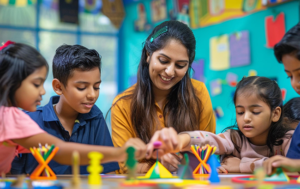
What is art integrated learning? Simply put, it is a teaching approach where art becomes part of academic learning. Instead of treating art as a separate subject, schools blend creativity into subjects like:
- Mathematics
- Science
- Languages
- Social Studies
- Environmental Studies
Students may:
- Create models
- Perform roleplays
- Draw concept maps
- Use music and movement
- Build visual presentations
The art-integrated teaching methods aim to improve conceptual understanding and classroom engagement. This means learning becomes active, practical, and way less boring.
Why is Creative Education Becoming So Important?
Learning is more than textbook knowledge. Students now need:
- Communication skills
- Problem-solving abilities
- Creativity
- Collaboration
- Confidence
Traditional memorisation alone no longer prepares children for future careers. That is why many modern schools in Madurai are now integrating creative learning strategies into classrooms to make education more engaging and meaningful.
How Does Art Integrated Learning Improve Academic Understanding?
Here is the surprising part: creativity actually improves academic performance. When students draw, perform, build, or present concepts creatively, multiple areas of the brain work together. This improves:
- Memory retention
- Understanding of concepts
- Focus and participation
- Communication skills
- Confidence in learning
To understand this better:
| Subject | Art Integration Example |
| Mathematics | Geometry through paper art |
| Science | Model-making for ecosystem |
| English | Storytelling and theatre |
| Social Science | Historic role play activities |
| Languages | Poetry through music and visuals |
Students often understand difficult concepts faster when learning feels interactive.
Which Skills Do Students Develop Through Art Integrated Learning?
The benefits of art integrated learning go far beyond academics. Students gradually develop:
- Critical thinking
- Creativity
- Emotional expression
- Teamwork
- Public speaking confidence
- Observation skills
And let’s be honest. These are life skills and not just school skills. Activity-based learning environments improve student participation and independent thinking significantly.
Why Do Students Enjoy Art-Based Learning More?
It feels human. Students naturally enjoy –
- Creating things
- Exploring ideas
- Moving around
- Sharing opinions
- Working in teams
Traditional classrooms sometimes make learning feel one-dimensional. But creative classrooms encourage curiosity and imagination.
How Does Art Integrated Learning Support Emotional Development?
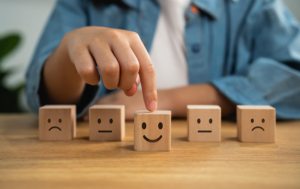
This part of art integrated learning often gets overlooked. Creative activities help students to –
- Express emotions comfortably
- Build confidence
- Reduce classroom anxiety
- Improve social interaction
- Feel emotionally connected to learning
Creativity creates a safe learning space for young learners where they feel comfortable to participate without any fear of wrong answers. This emotional confidence positively impacts overall academic growth too.
Many parents exploring International schools in Madurai now specifically look for schools encouraging creativity alongside academics because balanced development matters more than marks alone.
Which Activities Are Common in Art-Integrated Learning?
Here are some popular classroom activities:
| Activity Type | Learning Outcome |
| Storytelling | Improves imagination and language |
| Drama and role play | Builds confidence to communicate |
| Drawing and sketching | Enhances observation skills |
| Music and rhythm | Improves memory retention |
| Craft and model-making | Strengthens practical understanding |
| Group projects | Encourages collaboration |
The goal is not to turn every student into an artist. The goal is to make learning more meaningful and engaging.
Why Are Parents Supporting Creative Learning Approaches?
Parents today are increasingly aware that success depends on more than marks. They want children to become –
- Independent thinkers
- Confident communicators
- Creative problem-solvers
- Emotionally balanced learners
Modern education is slowly moving away from purely exam-focused systems towards holistic development.
Conclusion
At Vikaasa, learning is designed to inspire curiosity, creativity and confidence every single day. Through engaging classroom experiences and student focused teaching methods, Vikaasa encourages children to explore concepts beyond textbooks. For parents seeking balanced academic and creative growth; Vikaasa creates an environment where meaningful learning genuinely comes alive.
Ready to discover the Vikaasa difference? Visit our Enquiry Page today and take the first step towards your child’s future success.
FAQs
Why is Creative Education important for students?
Creative Education develops problem-solving, communication, critical thinking, and emotional confidence alongside academic learning.
What are the Benefits of Art Integrated Learning?
It improves conceptual clarity, memory retention, creativity, teamwork, classroom participation, and emotional development among students.
How does Art Integrated Learning help academic performance?
Creative activities help students understand and remember concepts better through practical and engaging learning experiences.
Is Art Integrated Learning encouraged in India?
Yes, NEP 2020 and NCERT strongly encourage art-based and experiential learning approaches in schools.
Which subjects can include Art Integrated Learning?
Subjects like Mathematics, Science, English, Social Studies and languages can all include creative learning methods.