
Microlearning refers to delivering content in small, focused, easy-to-digest segments.
Instead of long lessons, students learn through short modules that explain one concept at a time. These could be short videos, quick interactive exercises, bite-sized quizzes, or simple real-life examples tied to the topic.
Understanding Microlearning in a School Setting
If you have ever watched a child learn something new in short, exciting bursts like a quick video, a mini activity, or a brief quiz, you’ve already seen microlearning in action. Today, educators across the world are embracing this idea because it fits beautifully with how children naturally absorb information. But what exactly is microlearning in schools, and why is it becoming such a powerful tool? Let’s walk through it together.
Children today thrive on learning that is clear, direct, and engaging. Micro learning in education supports this by teaching one idea at a time without overwhelming the child. When schools implement this approach consistently, students begin to retain information more effectively, feel more confident, and stay motivated to learn.
Why Microlearning Works So Well for Children?
Think about attention span for a moment. Children learn best when information is presented in segments they can immediately understand and apply. This is where microlearning benefits truly shine.
1. Helps Children Learn Without Feeling Overwhelmed
A long lesson can feel tiring. But a short learning unit feels achievable. When students experience mini successes, their motivation naturally increases.
2. Supports Better Retention
One concept at a time gives the brain space to process and store information properly. Microlearning encourages short, repeated exposure, helping concepts stay fresh.
3. Encourages Active Learning
Microlearning often includes activities such as small tasks or quick reflections. When children interact with content rather than passively listen, learning lasts longer.
4. Perfect Fit for Digital-Native Students
Children today are comfortable with technology. Short videos, interactive tools, and visual explanations match their learning style, making microlearning natural and appealing.
Microlearning In Education
Microlearning blends into everyday teaching effortlessly. Here are a few examples of what it looks like in practice.
1. Short Concept Videos
A three-minute animated video explaining photosynthesis or fractions helps students grasp the concept quickly and prepares them for deeper discussion.
2. Bite-Sized Practice Tasks
Instead of ten questions at once, teachers may offer two or three small tasks to build confidence and clarity instantly.
3. Mini Learning Stations
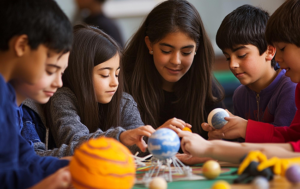
Some classrooms have small stations with quick activities, such as reading corners, math puzzles, or short experiments. Each becomes a microlearning moment.
4. Quick Digital Assessments
One-minute quizzes, flashcards, or polls help teachers check understanding immediately.
This approach works beautifully in concept-based environments such as IGCSE syllabus schools in Madurai, where clarity and precision matter.
Why Schools Should Pay Attention to Microlearning?
If you’re a parent, you already know children learn in bursts. Schools that apply microlearning respect this natural rhythm.
1. Builds Strong Learning Habits
When learning feels simple and enjoyable, children don’t avoid it. Microlearning nurtures curiosity and forms lifelong learning habits.
2. Helps Different Learners Feel Included
Every child learns differently. Visual, active, and reflective learners all benefit from short, focused segments that match their pace and style.
3. Reduces Learning Gaps
Microlearning enables teachers to quickly identify misunderstandings. A concept can be retaught in a short segment before it becomes a significant barrier.
4. Flexible for Classroom and Home
Short lessons can be revisited anytime. Whether for homework, revision, or extra practice, microlearning fits in easily without overwhelming the child.
Schools that embrace modern teaching methods often rank among the top schools in Madurai, where learning is designed to be effective and child-friendly.
Microlearning at Home
You play a decisive role in reinforcing what your child learns at school. Here’s how microlearning can continue at home.
1. Encourage Short, Focused Study Time
Instead of long study hours, set up 10 to 15-minute learning sessions with breaks.
2. Use Real-Life Examples
Explain concepts naturally during daily routines such as cooking, shopping, or travelling. These small experiences become powerful microlearning moments.
3. Allow Independent Exploration
Children enjoy discovering things on their own. Small tasks or curiosity-based challenges boost confidence and thinking skills.
Microlearning reflects a deep understanding of how children naturally learn best. When ideas are presented in small, meaningful steps, students feel more confident, stay engaged longer, and begin to enjoy the learning process rather than feel overwhelmed. As schools move toward a future where clarity, curiosity, and independence matter more than ever, microlearning becomes a powerful way to support every child’s growth.
With thoughtful implementation from schools and gentle reinforcement at home, this approach helps children become self-driven, capable, and future-ready learners who take joy in learning one small step at a time.