
Parents today often hear schools talk about modern learning, 21st-century classrooms, and teaching methods that prepare children for a fast-changing world. One approach that has become especially popular in forward-thinking schools like Vikaasa is blended learning, which combines the best of traditional classroom teaching with digital learning. If you have ever wondered what makes this approach so effective, understanding what blended learning is can help you see how it supports deeper engagement, stronger skills, and more confident learners.
Understanding the Blended Learning Approach
At its heart, blended learning is a thoughtful mix of two worlds: face-to-face teaching with a teacher and online or technology-supported learning activities. In simple terms, it blends classroom interaction with digital tools that enhance understanding.
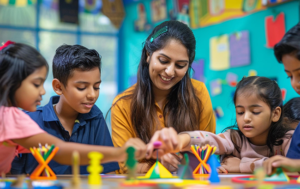
Instead of replacing a teacher, technology acts as a partner. Children still learn in classrooms, discuss ideas, and collaborate with peers. They also use digital resources, including interactive videos, educational apps, quizzes, and personalised tasks, to reinforce what they learn. This balance allows teachers to go beyond textbook explanations and offer experiences that fit each child’s pace and learning style.
To explore how this foundation begins early, parents often look at pre-primary education options.
Why Are Schools Shifting to Blended Learning?
Today’s learners grow up surrounded by devices, videos, and interactive content. Expecting them to learn only through chalk-and-board methods can feel limiting. Schools increasingly realise that a blended learning approach captures attention more effectively, improves understanding, and builds future-ready digital skills.
For example, a child learning about seasons might first listen to a classroom explanation, then watch a short animated video, and end with a hands-on worksheet or group activity. Each layer reinforces the concept, making learning richer and more memorable.
Families exploring Madurai schools also find that this method supports independent thinking while still providing structure and teacher guidance.
Blended Learning in Real Classrooms
Blended learning isn’t one fixed formula. It adapts to the school’s teaching philosophy and students’ needs. Here are some ways it shows up in daily learning.
1. Interactive Lessons That Build Curiosity
Teachers may introduce a topic in class and then guide students to explore it through digital storytelling, simulations, or short videos. Children become curious, ask more questions, and build a deeper understanding.
2. Hands-On Activities After Digital Exposure
After watching a simple online experiment, children might perform a classroom activity to see the results firsthand. This mix of virtual and physical learning sparks creativity and boosts clarity.
3. Personalised Learning Paths
Many digital tools adjust difficulty levels based on the child’s responses. This ensures that quick learners stay engaged and those who need more time receive extra support. This is especially helpful in early Primary classes.
4. Stronger Teacher-Student Interaction
Blended learning frees teachers from repetitive tasks, allowing them to focus more on guiding children individually.
Impact of Blended Learning in Improving Academic Performance
Parents often wonder whether blending digital and traditional methods boosts learning outcomes. Research and school experiences show a clear pattern: blended learning in education helps children remember better, understand concepts more thoroughly, and stay motivated.
When a child learns through multiple formats, including listening, watching, hands-on activity, and online quizzes, the concept becomes more concrete and easier to recall.
Classrooms that follow the CIE curriculum for schools also use blended learning to support inquiry-based learning, where children observe, explore, question, and draw conclusions through guided activities.
What Makes Blended Learning Unique for Today’s Generation?
Children today are naturally adaptive and quick to explore concepts through screens, movement, and hands-on activities. Blended learning uses this instinct positively by balancing screen time with classroom interaction.
Some unique advantages include
- Better concentration through short digital bursts mixed with discussions
- Improved critical thinking through interactive lessons
- Stronger real-world readiness because digital literacy is built early
- Higher confidence as students learn at their own pace
This approach avoids one-size-fits-all teaching. Every child gets what they need.
Skills gained from Blended Learning
Beyond academics, blended learning supports emotional, social, and life-ready skills such as
Collaboration during group tasks
- Problem-solving through digital challenges
- Self-management through paced assignments
- Creativity through multimedia tools
- It also strengthens comfort with technology, which is essential for future professional environments.
Benefits of Blended Learning in Education
A school’s approach shapes a child’s learning experience, and blended learning offers an excellent balance of structure and independence. When parents explore schools in kk nagar, Madurai, such as Vikaasa Public School. They often appreciate how teachers combine human warmth with modern tools to make learning meaningful.
If you want your child to build confidence, curiosity, and digital readiness while still enjoying the warmth of a real classroom. In that case, blended learning approach can be an ideal choice.
Understanding what blended learning is helps parents appreciate how thoughtfully it prepares children for the future. By merging traditional teaching with modern tools, this approach strengthens understanding, nurtures independence, and supports all types of learners. Schools like Vikaasa show how a well-designed blended learning approach can build confident, curious, and well-rounded students who enjoy learning both in the classroom and beyond.