
Can something as simple as a game, a song or a colouring session actually help children do better in school? The answer is yes.
To understand why this matters, consider how quickly young minds learn when they enjoy the process. One study done in a play-based classroom found that 10% of the children achieved “very satisfactory” academic results. That’s not by chance. There is a deep link between joyful learning and strong academic performance.
This is why fun and educational activities matter so much. These not only support early development, but they also make school exciting. In India, where competition begins early, parents often search for smart ways to help their children grow happily.
Let’s explore some enjoyable and useful options that every parent can try. Especially if you’re looking at schools for Kindergarten or already have your child enrolled in one.
Creative Art & Craft Activities
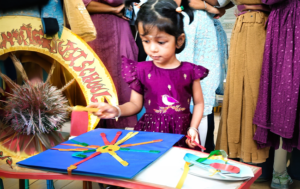
Art opens doors. When small children paint, cut, stick or fold, they express what words cannot say. These educational activities help in improving grip, hand strength and creativity. Basic activities like paper tearing, finger painting, and sponge dabbing boost fine motor skills.
Many kindergartens in India include craft corners with recycled materials. Activities like making greeting cards or folding origami animals are both fun and challenging. They help children learn shapes, colours and patterns.
Parents can join in at home too. It brings closeness and also improves communication between child and parent.
Outdoor Play & Physical Activities
Outdoor play does more than burn energy. It shapes the body and supports the brain. Children learn movement, balance, courage and patience. In fact, a study of 2–5-year-olds showed outdoor play led to better sleep. It came from more physical movement and lower stress. That’s a solid start to stronger focus and happier moods.
More surprising, play between noon and 6 pm has been shown to improve working memory. It even reduces emotional outbursts. So play is not just helpful, it’s healing too. Children who run, climb, or jump are more likely to be calm and stay focused during class.
Here are four key ways to make outdoor time more meaningful:
1. Movement Games
Running in shapes, zig-zag patterns, or following obstacle lines helps children build core strength. Games like ‘Simon Says’ or animal walks can also develop attention and coordination.
2. Playground Zones
Slides, swings and sandpits are not just for fun. These areas teach balance, sharing and courage. Many Indian kindergartens have small climbing zones or tyre paths to make outdoor play safe and exciting.
3. Nature Tasks
Watering plants, collecting leaves or bird-watching builds love for nature. It gives space to observe quietly while moving freely. Teachers use these simple tasks to also teach counting, colour recognition or seasons.
4. Circle Time Outdoors
Some schools shift story time or rhyme time outside. It changes the energy and keeps children alert. Even five minutes in the fresh air can help children reset and recharge.
These outdoor-based educational activities are simple but deep. They support better health and focus. They show clearly the benefits of activities that involve the whole body and allow natural movement.
Many schools for Kindergarten now include sand pits, climbing zones and mini gardens. These are not just extra things. They build stronger bodies and sharper minds.
Educational Games for Early Learning
Learning numbers or letters doesn’t have to mean sitting still. Board games, matching cards and even kitchen games can teach. These kindergarten activities help children pick up basic maths, phonics and logic.
One method used in many Indian pre-schools is the Montessori number rod. It teaches counting with blocks. Puzzle boards and letter pegs also help with hand-eye coordination. For example:
| Game Type | Skill Learned | Example Tool |
| Number Recognition | Counting & Grouping | Number Rods, Beads |
| Phonics | Sound & Letter Matching | Picture Cards, Flashcards |
| Logic & Problem Solving | Sequencing, Matching | Pattern Blocks, Puzzles |
These activities are short, but the gains last long. Teachers often bring these games into early classes for a better foundation.
Storytime and Imaginative Play
Every child has a story inside. Storytime helps them bring it out. When they listen to tales, they learn more than just words. They understand feelings, right and wrong, and different cultures.
Using finger puppets, stick figures or even dress-up clothes, children create their own mini-worlds. This is more than play. It strengthens speech, memory and emotional awareness.
Parents should make reading a habit. Bedtime stories or weekend storytelling keep children curious. Teachers also suggest giving children time to act out stories. It brings out creativity and helps with confidence.
Music, Dance, and Rhythm-Based Activities
Music moves more than the body. Songs teach rhythm, word flow and memory. Dance sharpens balance, coordination and expression. Together, they shape the whole child.
Popular Indian rhymes like “Lakdi ki kaathi” or “Nani Teri Morni” help teach Hindi words. English songs like “Twinkle Twinkle” help with tones and sentence rhythm.
Using instruments like shakers or tambourines adds fun. Music and dance activities are seen in many kindergarten activities across India. These also help shy children come out of their shell.
Sensory Play Ideas
Touch, smell, and sound all teach. Sensory play includes water, clay, rice boxes, and textured mats. It helps children explore and understand with all senses.
These fun and educational activities are easy to set up and give strong learning outcomes. Children not only have fun but also learn to focus better. Here are some common sensory ideas that work well at home and in school:
- Water trays with floating toys
- Clay or dough for squeezing, rolling, and shaping
- Rice or rajma sorting by colour and size
- Sound jars filled with different objects to shake and guess
- Fabric squares with rough, soft, bumpy textures
- Scent boxes using lemon, mint or cardamom
A child who squeezes playdough is not just playing. They are building hand strength. One who sorts beans by colour learns attention and focus.
These activities are simple but deep. Children develop better touch recognition, smell memory, and sensory calmness. It keeps them alert and relaxed at the same time.
In hot regions of India, schools often use water trays or indoor sand boxes to avoid heat strokes. These help keep children cool and engaged while still learning. Schools also use soft mats, fans and shaded areas to create safe play zones.
Simple Science and Discovery Activities
Even small experiments build big thinkers. When children watch seeds grow or mix vinegar and baking soda, they ask questions. That is science in the simplest form.
Parents can set up mini discovery zones. Magnets, torchlights, and shadow play can teach basic science ideas. Children love seeing results. Watching ice melt or colour mix is exciting for them.
Many teachers include nature walks. This is often the first step in understanding the world. Some schools aligned with the Cambridge IGCSE programme start early STEM exposure through such simple setups.
Conclusion: The Joy of Holistic Learning Through Play
All these educational activities have one thing in common. They connect joy with learning. They turn every moment into a chance to grow.
The importance of activities lies in how they build minds and hearts at the same time.
If you are a parent exploring the best schools for Kindergarten in India, look for those that balance books with joy. Let your child feel safe, heard and excited to learn.
Explore more about how your child can grow through fun and educational activities at Vikaasa. Visit Vikaasa today.