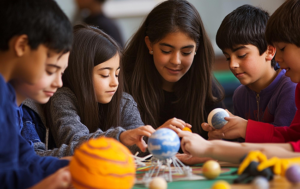

If you’ve ever seen your child completely absorbed in a puzzle, a board game, or even a simple mobile game, you already know something important: children love challenges, rewards, and the joy of achieving small wins. Now imagine if that same spark could be brought into the classroom. This is exactly what gamification in education aims to do. It takes the most engaging parts of games and blends them with academic learning so that children feel excited, motivated, and involved.
As a parent, you may wonder how this works in real life or how it affects your child’s development. Let’s walk through it together so you have a clear understanding of what is gamification and why modern classrooms are increasingly welcoming this approach.
Understanding What Gamification Really Means
Gamification doesn’t mean turning lessons into video games. It means using game-like elements to make learning more meaningful. Think of points, badges, levels, friendly challenges, sound cues, progress bars, or story-based tasks. These elements help children feel a sense of progress throughout their learning journey.
Why This Works So Well for Children?
Children naturally enjoy recognition and progress. When they earn a star for reading, a badge for solving math problems, or a level-up for completing a project, they feel accomplished. This emotional boost encourages them to try again, practise more, and stay consistent. In many ways, gamifying learning taps into children’s natural enthusiasm and curiosity.
You may have seen your child persist through a game level, even after failing a few times, because they are motivated by the next reward. In the same way, gamified classrooms help children view mistakes as part of learning instead of feeling discouraged.
What Gamification Looks Like in Classrooms?
To understand how this approach appears in real lessons, let’s explore some gamification in education examples. Imagine your child:
- Earning points for completing worksheets
- Unlocking a new level after mastering a concept
- Joining classmates to complete a “mission” in science
- Receiving a badge for responsibility or teamwork
- Using a progress chart to track their growth
These are simple and effective gamification in education examples that teachers use to keep learning active and joyful.
A Blend of Competition and Collaboration
A good gamified classroom never pushes children into unhealthy competition. Instead, it focuses on celebration, progress, and teamwork. Challenges may be done individually or in groups, helping children learn cooperation, patience, and empathy.
The Benefits Your Child Experiences
1. Better Focus and Engagement
Children pay more attention when learning feels dynamic. Game-like tasks help them stay invested in the lesson.
2. Faster Understanding
Interactive activities make concepts easier to grasp. When ideas are connected to stories or challenges, children remember them better.
3. Instant Feedback
Whether it’s a correct-answer sound or a progress badge, feedback is immediate and clear. This helps children improve faster.
4. Comfortable Pace
Gamification allows children to move at their own speed. Quick learners feel challenged, while others get the extra time they need without feeling pressured.
Gamifying Learning in Early Childhood
Gamification is particularly powerful for younger children. At these ages, children learn best through play, exploration, imagination, and hands-on activities. That’s why many parents searching for preschool admissions find gamification reassuring; it introduces structure while keeping learning joyful.
In early years, teachers often use storytelling games, phonics adventures, counting challenges, and simple reward systems that help children stay engaged. Schools known for child-centred learning, such as leading schools in K Pudur, Madurai, create warm, interactive environments where gamified activities naturally support growth.
How Schools Use Gamification Thoughtfully?
For gamification to work well, it needs to be intentional. Good schools design learning experiences where technology and activities support understanding rather than distract from it. Teachers use gamified tools to reinforce concepts, encourage practice, and celebrate progress.
Gamification is not about screens. Many activities are offline: treasure hunts, flashcard games, hands-on puzzles, outdoor missions, and classroom challenges. When digital tools are used, they are purposeful, short, and supervised.
This thoughtful blend ensures that children enjoy learning while still developing discipline, focus, and authentic understanding.
Skills Children Build Through Gamification
Aside from academic learning, gamification strengthens essential life skills:
1. Collaboration
Working together during group missions helps children build communication and teamwork.
2. Problem-Solving
Game-based activities encourage children to think creatively, analyse situations, and make decisions.
3. Creativity
Whether they are building stories, creating solutions, or exploring digital tools, children express themselves more freely.
4. Independence
Self-paced challenges teach responsibility and time management, helping children grow confident and independent.
These skills support long-term success both in and out of the classroom.
Recognising a Good Gamified Learning Environment
If you’re exploring schools in Madurai, you’ll notice that the most nurturing schools create a balance between traditional teaching and gamified learning. A good school ensures that:
- Teachers lead the process thoughtfully
- Technology is used responsibly
- Children feel encouraged rather than pressured
- Play and learning are connected with purpose
When gamification is implemented with care, learning becomes something children genuinely enjoy.
Now that you understand gamification in education, you can see why it is transforming classrooms. It helps children learn joyfully, stay motivated, and develop real confidence in their abilities. By combining academics with play, teachers make learning memorable and meaningful.
Above all, gamification turns the classroom into a space where your child feels excited to explore, eager to progress, and proud of every achievement, big or small.