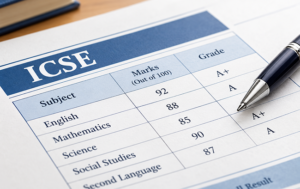

Every student has a different learning style. One might grasp math concepts easily but have difficulties with grammar. Others may need more time mastering science, but breeze through languages. Are all students truly equal to one another? That is where we question, what is adaptive learning?
What Is Adaptive Learning?
Let’s begin with the basics. What is adaptive learning? It is a style of learning that changes based on how each student performs. The system tracks what you know, what you don’t, and how fast you learn. Then, it adjusts the content, pace, or question type to match your level.
This type of learning is not just about speed. It’s about knowing how much support a student needs. Some students learn better with videos. Others prefer practice tests. Adaptive learning gives both, but only where needed.
Many schools in Arapalayam Madurai now try new teaching formats that include digital tools. Some of these are early versions of adaptive platforms that offer students flexible content.
How Adaptive Systems Work
So, how does adaptive learning work? A student’s journey starts with logging in and beginning a lesson or quiz. Within the system, everything is monitored. It tracks where you spend time. It observes whether you encounter difficulties. It adjusts the next section based on what you require.
You won’t even notice the change at first. The system may give you a simpler question or offer a short explanation. If you do well, it gives you a harder question. If you make a mistake, you get another try or hints.
Some platforms also include interactive quizzes, real-time feedback, and gamified tools that improve interest. These activities maintain engagement and minimise tedium. They seem unlike typical school activities.
Different Forms of Adaptive Learning You Might See
No, two instances of adaptive learning are identical. It may take place in a physical classroom, on an application, or on a website. Below are some common forms that students are using today:
| Types of Adaptive Learning | How They Work |
| Rule-Based Systems | Follows fixed rules. If you answer wrong, it takes you back to basics. |
| AI-Based Systems | Uses machine learning to guess your level and adjust content. |
| Gamified Modules | Adds fun games, points, and challenges to improve focus. |
| Subject-Specific Platforms | Focuses only on one subject, like maths or coding. |
| Skill Mastery Programs | Keeps giving you questions till you master one skill fully before moving on. |
In many ICSE syllabus schools in Madurai, students now practise subjects through these models, especially during revision time or exam preparation.
Why Students Are Choosing It More Often
Now we move to the key question, why adaptive learning? Because students don’t all learn the same way. One fixed method cannot work for all. This model saves time. You don’t need to revise what you already know. You spend energy only where needed.
Another benefit is less pressure. Since the system doesn’t compare students, there’s no fear of failing in front of others. You study at your pace, your way.
Also, this builds self-learning habits. You don’t wait for the teacher to repeat. The tool becomes your tutor. It shows what to fix. Then you try again, without losing interest.
Key Benefits You Should Know
Now let’s look at the benefits of adaptive learning in simple points:
- Reduces extra revision on easy topics
- Improves weak areas without shame
- Builds stronger memory through repetition
- Keeps your pace steady without rushing
- Offers constant support without being too obvious
These tools are silent teachers. They never get tired. They never shout. They never say you’re wrong. They simply adjust and let you learn better.
And yes, one of the major benefits of adaptive learning is that it works for both fast learners and slow learners equally. It does not favour anyone. It supports all.
Techniques That Improve With Adaptive Support
Here are a few areas where adaptive models show quick results:
- Vocabulary Practice: Word puzzles change as your level grows
- Math Quizzes: Mistake-based hints improve accuracy
- Reading Speed Checks: The text grows longer only when you read well
- Grammar Builders: Corrects based on the pattern of your errors
- Science Simulations: Offers models if your score drops on concepts
These are small, everyday improvements that become big steps over time.
Final Thoughts
Let’s ask again, what is adaptive learning? It’s not a fancy word. It’s a way of learning made just for you. It fits your speed, your level, and your needs.
Both traditional classes and adaptive tools are good. But when used together, they give you the best chance to learn smart. If your school offers it, try one module. If not, use small learning apps that follow adaptive methods.
We want every student to learn in a way that works for them. So, share this blog with your friends and family. Let’s change how we learn, one student at a time.