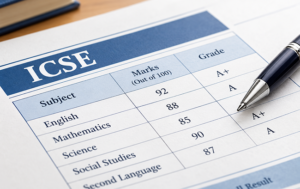

Summative assessment is a method of evaluating student learning at the end of a unit, term or academic programme to measure how well learning objectives have been achieved.
If you have ever sat for end-of-term exams, final projects or board assessments, you have already experienced it. In simple terms, when people ask what is summative assessment; they are referring to assessments that sum up what students have learned after a period of instruction.
At forward-thinking institutions like Vikaasa; summative assessments are not just about marks; they are about meaningful measurement, academic growth and helping students prepare for real academic and life challenges.
Let’s break it down in a clear, practical way.
What Is Summative Assessment?
Summative assessment evaluates student learning after instruction to determine achievement, progress and readiness for the next stage of education.
When educators talk about what is summative assessment in education, they are referring to structured evaluations such as:
- End-of-term examinations
- Final projects or presentations
- Standardised tests
- Board exams
- Final coursework submissions
Unlike day-to-day quizzes or classroom activities, summative assessments usually happen at the end of a learning cycle. Their main purpose is to provide a clear picture of how much knowledge and skill a student has gained.
At Vikaasa, these assessments are designed to be aligned with curriculum goals; ensuring that students are tested on what truly matters; not just what is easy to memorise.
How is Summative Assessment Different from Formative Assessment?
Formative assessment supports learning during the process; while summative assessment measures learning after the process.
Think of it like this:
- Formative assessment = practice and feedback (class tests, homework, class discussions)
- Summative assessment = final performance (term exams, final projects, board exams)
Both play important roles. However, summative assessment is what schools, boards and parents often rely on to:
- Track academic achievement
- Compare performance
- Determine promotion or progression
- Support important decisions like subject choices and placements
Why Is Summative Assessment Important in Schools?
Summative assessment provides measurable evidence of learning and supports academic planning, accountability and progression.
Summative assessments help:
- Students understand how well they have mastered subjects
- Teachers evaluate the effectiveness of instruction
- Schools maintain academic standards
- Parents track academic development
In competitive academic pathways; strong summative performance is often linked to future opportunities. This is especially relevant in globally recognised frameworks such as the Cambridge IGCSE programme; where summative assessments are carefully structured to test understanding, application and critical thinking; not just rote learning.
Common Types of Summative Assessment
Summative assessments come in various formats depending on age, curriculum and learning goals.
Some common examples include:
- Written Examinations- Traditional exams that assess subject knowledge, understanding and problem-solving abilities.
- Final Projects- Research-based or creative projects that demonstrate understanding and application.
- Presentations- Oral or multimedia presentations that test communication and conceptual clarity.
- Standardised Tests- Externally set exams that allow for benchmarking across schools and regions.
- Coursework Submissions- Cumulative assignments that reflect long-term learning.
Vikaasa combines a variety of formats to ensure students can demonstrate learning in multiple ways; supporting different learning styles and strengths.
Benefits of Summative Assessment
The key benefits of summative assessment include clarity, accountability, motivation, and academic benchmarking.
Here is how summative assessments add value-
- Clear measurement of achievement: Students and parents get a transparent view of academic progress.
- Preparation for higher-level education: Students become familiar with exam formats used in higher secondary and beyond.
- Goal setting and motivation: Knowing there is a final assessment helps students stay focused and committed.
- Academic accountability: Schools can ensure curriculum goals are being met consistently.
- Benchmarking and comparison: Performance can be compared across classes, schools, or boards.
How Vikaasa Approaches Summative Assessment?
Vikaasa uses summative assessment as a tool for growth, clarity and long-term academic readiness; not just grading.
What sets Vikaasa apart is how assessments are integrated into a wider learning strategy. Instead of focusing only on results, the school emphasises-
- Strong conceptual foundations
- Continuous academic feedback
- Exam readiness programmes
- Structured revision and support
- Alignment with international and national standards
This approach ensures that students are confident, prepared and capable; making Vikaasa one of the best schools in Madurai for families seeking a balanced and future-focused education.
How Summative Assessment Supports Future Success?
Summative assessments help students develop exam skills, time management and academic confidence needed for higher education. Beyond marks, summative assessments teach students how to-
- Prepare strategically
- Manage time under pressure
- Structure written responses
- Apply concepts to real problems
- Reflect on strengths and improvement areas
These skills are essential for higher secondary education, competitive exams and university-level learning.
Final Thoughts: More Than Just an Exam
Summative assessment goes beyond final exams. It is about measuring learning, supporting progress and preparing students for the next academic stage with confidence.
At Vikaasa, summative assessment is part of a bigger promise – to deliver quality education that blends strong academics, international exposure and student-focused learning. Vikaasa continues to value both results and real understanding; offering structured assessments, academic excellence and a committed approach to education.