
Are you looking for ways to get your kids off screens and into nature? You’re not alone. In today’s digital age, encouraging children to be active outdoors has never been more important. That’s where outdoor games come in—not just as fun activities but as essential tools for holistic development.
At Vikaasa, we strongly believe in blending learning with play. And what better way to do that than through classic and creative games to play outside?
Explore the best 25 outdoor games to keep your kids engaged, fit, and smiling!
Why Outdoor Play is More Than Just Fun?
Before we dive into the list of fun outdoor games, let’s understand why they matter:
- Physical Health: Regular movement strengthens muscles, bones, and immunity.
- Mental Growth: Outdoor activities stimulate focus, creativity, and emotional balance.
- Social Skills: Playing in groups teaches teamwork, empathy, and leadership.
- Environmental Connection: Nature play builds appreciation for the world around us.
What Makes Outdoor Play Special?
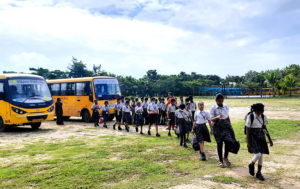
- Safe, Green Campuses: Our campuses are built to let children play and learn in nature.
- Play-Based Curriculum: Especially for younger learners, structured play is woven into academics.
- Balanced Timetables: Equal weight is given to physical activity, academics, and creativity.
- Values Through Play: Fairness, inclusion, resilience—children learn more than just games.
For parents looking for good schools in Madurai that prioritize physical and emotional development, Vikaasa offers a holistic learning experience.
Top 25 Outdoor Games & their importance in children’s growth
-
Hide and Seek
How to Play: One player closes their eyes and counts while others hide. Once counting is over, the seeker tries to find the hidden players.
Why Play: Play builds patience, spatial awareness, and creative thinking. It also encourages kids to move around, use their environment wisely, and improve their observational skills.
-
Freeze Tag
How to Play: One child is “It” and tags others to freeze them. Other players can unfreeze frozen players by tagging them.
Why Play: Great for improving reflexes agility and teaching kids about teamwork and empathy.
-
Hopscotch
How to Play: Draw a hopscotch grid on the ground with numbers. Toss a marker and hop on one foot to retrieve it without touching the lines.
Why Play: Improves balance, coordination, and number recognition. Encourages physical control and cognitive planning.
-
Red Light, Green Light
How to Play: One player is the traffic light, which calls out “green light” (run) or “red light” (freeze). Players must stop immediately or go back to the start.
Why Play: Enhances self-regulation, impulse control, and listening skills.
-
Duck, Duck, Goose
How to Play: Kids sit in a circle while one walks around tapping heads, saying, “Duck, duck…” then shouting, “Goose,” and running. The goose must chase and tag them.
Why Play: Encourages social bonding, improves reaction time, and teaches turn-taking.
-
Sack Race
How to Play: Players get inside a sack and hop to the finish line.
Why Play: Boosts leg strength, coordination, and builds a fun sense of competition.
-
Obstacle Course
How to Play: Set up a course using household items (cones, ropes, chairs). Kids must complete the tasks in order.
Why Play: Encourages problem-solving, improves gross motor skills, and keeps kids active.
-
Tug of War
How to Play: Two teams pull on opposite ends of a rope. The team that pulls the other across a line wins.
Why Play: Develops strength, teamwork, and strategy. It’s also great for teaching fair play.
-
Capture the Flag
How to Play: Split into two teams. Each team hides a flag. Teams try to capture the opponent’s flag and bring it to their side without getting tagged.
Why Play: Teaches strategy, communication, and enhances endurance.
-
Simon Says
How to Play: One leader gives commands, starting with “Simon says…” Players follow only if the command begins with those words.
Why Play: Improves listening, focus, and quick decision-making.
-
Balloon Toss
How to Play: Players toss a water balloon in pairs, stepping further apart after each successful catch.
Why Play: Develops hand-eye coordination and teamwork. It’s also a cooling, laughter-filled summer game!
-
Four Square
How to Play: Four players bounce a ball between squares, trying to eliminate others by making tricky plays.
Why Play: Teaches competitive play, concentration, and improves reflexes.
-
Limbo
How to Play: Hold a stick horizontally and have kids bend backwards to pass under it. Lower the stick each round.
Why Play: Improves flexibility and balance in a fun, dance-like way.
-
Hula Hoop Challenge
How to Play: Spin a hula hoop around your waist, arms, or legs and keep it going as long as possible.
Why Play: Strengthens the core, boosts coordination, and fosters rhythmic movement.
-
Blindfold Obstacle Course
How to Play: One child is blindfolded while another guides them verbally through an obstacle course.
Why Play: Builds trust, communication, and spatial awareness.
-
Ring Toss
How to Play: Toss rings onto pegs from a set distance. Keep score for added fun.
Why Play: Enhances focus, aiming ability, and hand-eye coordination.
-
Balloon Pop
How to Play: Tie a balloon to each child’s ankle. The goal is to pop others’ balloons while protecting your own.
Why Play: Great for agility, strategic movement, and laughter-filled fun.
-
Tree Climbing (Supervised)
How to Play: Allow children to climb low branches safely under adult supervision.
Why Play: Encourages risk assessment, boosts confidence, and strengthens muscles.
-
Kick the Can
How to Play: A mix of tag and hide-and-seek, where a can is placed in the centre. “It” guards it while others hide. If a hider kicks the can without being tagged, they win.
Why Play: Sharpens strategy, stealth, and decision-making.
-
Nature Scavenger Hunt
How to Play: Give kids a checklist (e.g., leaf, stone, flower). They must find all items outdoors.
Why Play: Encourages exploration, observation, and love for the natural world.
-
Relay Races
How to Play: Teams pass a baton in a race. It can include twists like spoon-and-egg or sack racing in legs.
Why Play: Fosters teamwork, discipline, and a healthy competitive spirit.
-
Dodgeball (Soft version)
How to Play: Players throw softballs, aiming to tag others while dodging throws themselves.
Why Play: Improves agility focus and encourages group engagement.
-
Leaf Art Challenge
How to Play: Collect leaves and twigs and arrange them to create pictures or collages.
Why Play: Stimulates creativity, appreciation for nature, and fine motor skills.
-
Chalk Maze
How to Play: Draw a large maze on the ground using chalk. Kids walk through solving it.
Why Play: Enhances critical thinking, planning, and spatial intelligence.
-
Gardening Fun
How to Play: Let kids plant seeds, water plants and observe growth over time.
Why Play: Teaches patience, responsibility, and sustainability. Builds a connection with nature.
Why Do These Outdoor Games Matter at Vikaasa?
At Vikaasa, we believe that learning isn’t confined to the classroom. As one of the leading international schools in Madurai, our approach to education includes regular time for outdoor games that foster imagination and movement.
Our play-based environment encourages students to explore and express themselves freely. That’s why outdoor activities are an integral part of our daily routine. We allow children to grow through structured sports, guided play, or spontaneous fun.
We also welcome young learners! For parents exploring nursery school admission, our programs include thoughtfully designed outdoor time to develop motor skills, social confidence, and curiosity from the start.
The best childhood memories are made under the sky—with dirty knees, bright smiles, and lots of laughter. These fun outdoor games aren’t just about play. They’re about growth, connection, and freedom.
Whether you’re a parent, teacher, or caregiver, let these 25 outdoor games inspire your next afternoon adventure.
And if you’re looking for a school that values such balance and joy in education, discover Vikaasa—a community that grows with your child.
Visit vikaasa.org to learn more about our programs and admissions.
Let’s keep playfulness alive. Let’s raise children who run freely, laugh loudly, and learn joyfully.