
As adults, money is a factor in nearly every choice we make, right from purchasing groceries to even career choices. But very few kids are taught how money works as they grow up. This gap often leaves them unprepared to handle their own money when the time comes.
As per a Purdue University study, children begin to learn basic money concepts at the age of three. Most of the money management basics are already set by the time they turn 7. In other words, the things they see us do every day, like how we save, spend, or even talk about money, become lessons that last a lifetime.
That’s why it’s important to learn about money at a young age. Read on to learn how to teach financial literacy in ways that children actually enjoy and understand.
Lessons at Home Every Day
Home is the best place to begin teaching kids about money. Kids often learn more from what they see than from what adults say. They pick up these money management habits naturally when they see their parents plan their spending, save for goals, or even compare prices before they buy something.
One easy way is to set up an allowance system. For instance, giving kids a small amount of money each week and helping them divide it into groups like Save, Spend, Share, and Invest. For younger kids, a piggy bank system works well because it lets them see money grow over time by saving.
You can also make use of everyday chores to teach financial literacy. Take grocery shopping, for instance. During that, ask your child to compare price of two similar products and figure out how much they would save. That would introduce them to basic spending concepts.
Making Learning Enjoyable
Kids learn best when they’re having fun, and this is also true for money lessons. Instead of using worksheets to teach kids about money, use games and activities.
Many teachers at international schools in Madurai use fun and interactive methods, such as:
- Classic board games like Monopoly and The Game of Life. It teaches kids how to make, spend, and invest money.
- Setting up a ‘pretend shop’ at home to let them handle mock transactions and learn what exactly profit is.
- Digital learning. Apps like PiggyBot and Bankaroo are made just for teaching kids how to keep track of their money online.
Teaching in the Classroom
Parents can lay the groundwork at home, but schools are just as important.
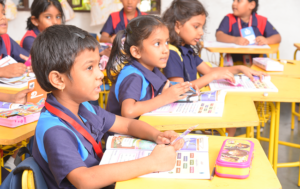
So, how to teach financial literacy in the classroom? Well, it need not be a separate subject. The best part is that money management can be connected to lessons that are already there. For example:
- Math classes can teach you how to figure out interest or savings percentages.
- In social studies, you can learn about how economies work and why families need to make budgets.
- Students can practise making decisions with money through hands-on project activities like raising money for a good cause.
Financial Literacy for Beginners
When we talk about financial literacy for beginners, we mean starting with the very basics. Kids don’t need to learn complicated banking terms right away. They need to understand simple ideas like:
- Difference between saving and spending
- Why a toy is a want and food is a need
- Borrowing means knowing that you have to pay back the money you receive.
- Interest is the small amount of money you make when you save or pay back when you borrow.
ICSE schools take a step ahead by telling their students to keep a ‘money diary’. In it, they will write down how much money they got, spend, and saved each week. This kind of habit makes it easy to understand and use financial terms.
Starting small and making it interactive creates curiosity among kids to learn more, which is the first step to deeper learning later.
Long-Term Habits
The main goal of teaching financial literacy is to nurture good habits that last long. Here are some tips for that:
- Setting goals: Help kids make both short-term goals (like saving up for a toy) and long-term goals (like saving for a bike or a trip). This helps you learn to be patient and plan.
- Tracking money: Make elder children use basic spreadsheets or budgeting apps to keep track of how much they spend.
- Digital literacy: Teach kids about digital money early on, especially now that UPI and online transactions are becoming more common. Show them how to use it safely.
Conclusion
In a nutshell, financial literacy is all about getting kids ready for life. And the best part is that it doesn’t need to be boring. Parents and teachers can teach financial literacy to kids in a way that literally hooks them up.
At Vikaasa School, we specialise in making learning practical. We bring real-life concepts like money management, decision-making, and problem-solving into the classroom in ways children can relate to. Join us now!